Move Your Body, Calm Your Mind: The Emotional & Mental Health Benefits of Pilates
The benefits of pilates go beyond getting into great shape. Pilates also helps you reconnect with your body when your thoughts feel chaotic or overwhelming. When you understand how pilates works on your nervous system, you can begin to see why so many people turn to it for the emotional benefits as well as the physical ones.
Understanding Pilates as a Mind-Body Practice
Pilates was originally developed by Joseph Pilates in the early twentieth century, and it was always intended to be a mind-body system rather than just exercise. From the beginning, the method emphasized concentration, control, precision, breath, and flow. These foundational principles bring together pilates and mindfulness in a way that feels approachable for many people.
When you practice mind body pilates, you’re tuning into how your body is working, such as how your ribs expand when you inhale, and how your core engages when you exhale. This constant internal feedback loop anchors your awareness in the present moment. It’s the same awareness that’s cultivated in meditation, yet through pilates, you’re building strength at the same time.
If traditional seated meditation feels impossible because your mind will not stop racing, pilates gives you something physical to focus on.
Does Pilates Reduce Stress in Real Life?
Research increasingly supports the idea that mindful movement practices can reduce stress and improve mood. Pilates encourages slow, controlled movements paired with intentional breathing, which directly influences your autonomic nervous system.
When you’re stressed, your sympathetic nervous system activates your fight-or-flight response. Your heart rate increases, your muscles tense, and your thoughts become reactive. Pilates breathing techniques emphasize deep lateral ribcage breathing and long, controlled exhales. Those exhales can stimulate your parasympathetic nervous system, which signals safety and calm to your body.
Over time, regularly practicing pilates has mental health benefits, since it retrains your body’s stress response. You’ll become more aware of tension in your shoulders, jaw, and hips, and you’ll be able to start recognizing and releasing that tension before it becomes overwhelming.
Stress also tends to accumulate when you feel out of control. Pilates gives you small, achievable wins in every session, and that can build confidence that extends beyond the mat.
Pilates for Anxiety
Anxiety can feel like energy trapped in your body with nowhere to go. Pilates for anxiety works by channeling that energy into movement. When you move through a hard sequence, you’re forced to stay present.
Pilates also teaches you how to tolerate discomfort. Holding a difficult position while maintaining steady breathing can help train emotional resilience, and you’ll learn that intensity can be managed without panic. This translates into daily life when you’re faced with uncomfortable or stressful situations.
The consistency of pilates practice can create a predictable ritual in your week. When your life feels uncertain, having a scheduled class or a regular home routine provides structure. This can be incredibly grounding for people dealing with anxiety.
Pilates Breathing Techniques and Benefits
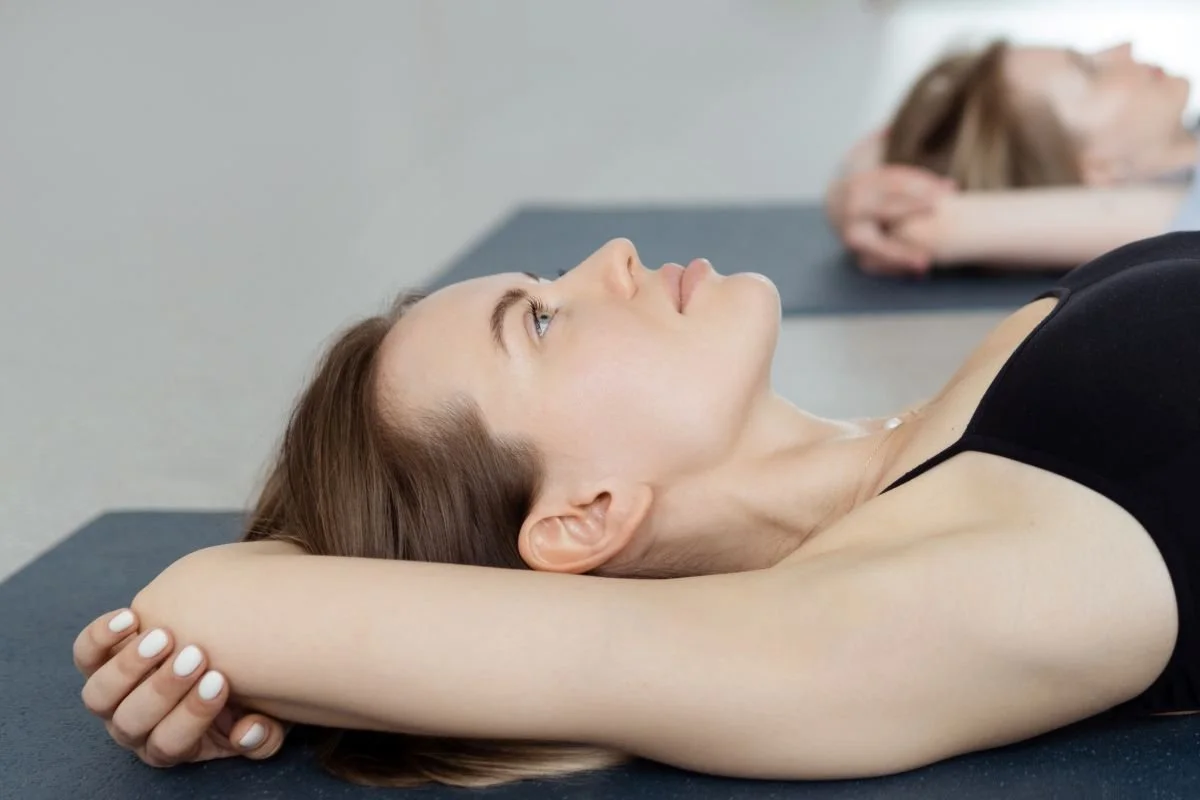
Pilates breathing techniques encourage you to inhale deeply into the sides and back of your ribcage while keeping your core engaged. This style of breathing expands your lung capacity and increases oxygen throughout your body, which has health benefits.
More importantly, conscious breathing can change your mental state. When you slow your breath, your thoughts slow as well, and this can reduce feelings of panic or agitation. Over time, many people develop the ability to access calm breathing even outside of class.
Breath control also improves your sense of internal awareness. You may start noticing when your breath becomes shallow when you’re stressed, for example, but instead of ignoring that signal, you’ll have built the tools to respond.
Building Confidence Through Pilates
There is something empowering about feeling physically strong. The benefits of pilates extend beyond the aesthetic because improved strength often leads people to have an improved image of themselves. Additionally, slouching inward can reinforce feelings of fatigue and low mood, but pilates emphasizes lengthening your spine and opening your chest. This change in posture can influence how you feel day to day. Standing tall with engaged muscles creates a feedback loop that supports confidence.
Strength training also releases endorphins, which naturally improve mood. Pilates challenges your muscles and can lead to the mood-lifting effects commonly associated with exercise.
Finally, as you work on increasingly complex movements, your self-image will grow, since you’ll prove to yourself that you can learn new skills and push through hard things. This can counteract the feelings of helplessness that often accompany anxiety and depression.
Pilates and Mindfulness in Everyday Life
Pilates and mindfulness are connected because both require awareness. During a session, you’ll see how your body moves without criticizing it. Practicing self-observation without judgment in this way can reshape your internal dialogue over time.
Mind body pilates also encourages you to feel rather than force movement. You’ll learn to tell the difference between effort and strain, and this can extend to emotional boundaries as well. Over time, pilates can help you become more aware when you’re pushing yourself too hard mentally or emotionally.
Creating a Mental Health Ritual With Pilates
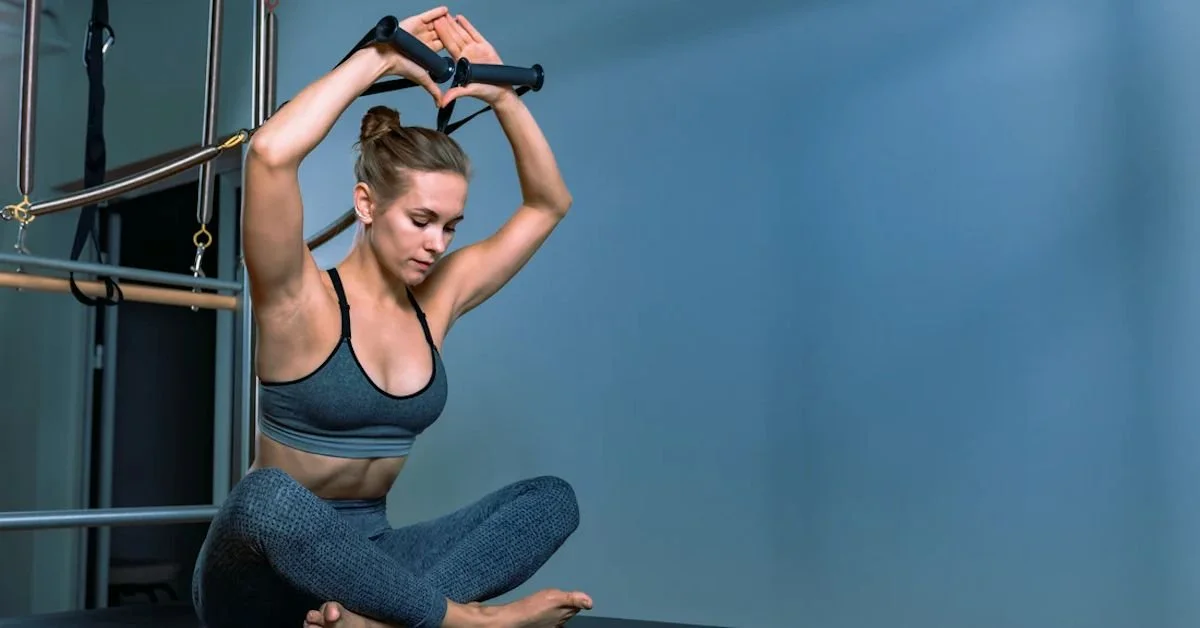
One reason people stick with pilates is that it feels sustainable. It can be gentle enough for recovery days yet challenging enough for growth. Consistency also improves the pilates mental health benefits because repetition strengthens neural pathways. The more often you pair movement with breathing, the more automatic that response will become, and eventually, your body will associate pilates with safety and regulation.
Book Your First Session
At Sandy Greiner Pilates, we blend classical and contemporary pilates with current movement science to help you accomplish your fitness or rehabilitation goals. Our certified teachers have expertise in developing sports-specific and condition-related protocols. We believe that when it comes to movement, one size does not fit all. Your session is personalized for your goals, with an eye on alignment, biomechanics, and the right number of repetitions to help you gain strength without risking injury.
To get started, book your first session today.
