
Does Pilates Help With Flexibility? What the Research Says
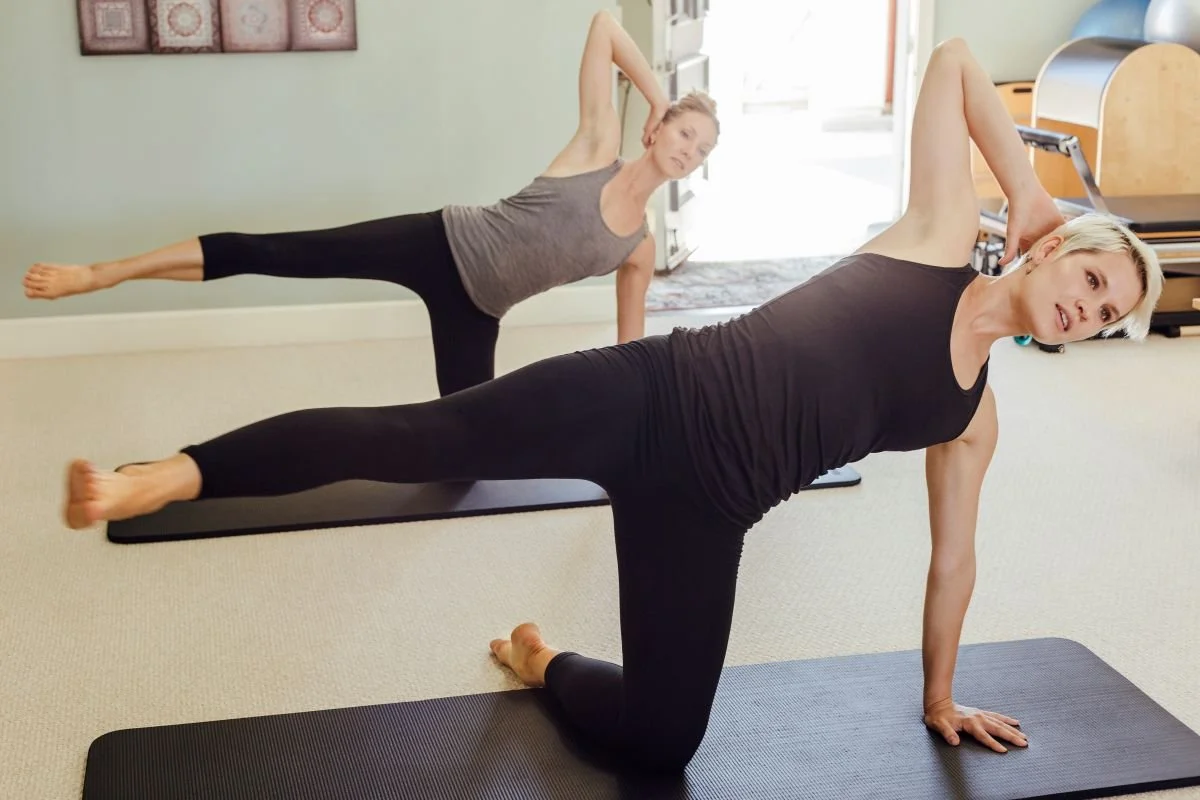
When most people think about Pilates, they picture core exercises, improved posture, and stronger muscles. But flexibility is another benefit that often gets overlooked.
If you've ever searched "does Pilates help with flexibility?" you're not alone. It's one of the most common questions people ask when exploring a new fitness routine, especially if they feel stiff, spend long hours sitting, or want to move more comfortably in everyday life.
The short answer? Yes. Research suggests that Pilates can help improve flexibility, mobility, and overall movement quality. But the reason may not be what you think.
In this article, we'll explore what the research says about Pilates and flexibility, the difference between flexibility and mobility, how Pilates stretching differs from traditional stretching, and why many people use reformer Pilates to improve movement and reduce stiffness. We'll also look at how a consistent Pilates practice can support better posture, greater range of motion, and more comfortable movement in everyday life.
Flexibility vs. Mobility: What's the Difference?
Before diving into the benefits of Pilates stretching, it helps to understand the difference between flexibility and mobility.
Flexibility refers to the ability of a muscle to lengthen through a range of motion. Mobility refers to how well a joint can move through that range of motion with control and stability.
Think of it this way: flexibility is having access to movement, while mobility is being able to use that movement effectively.
Pilates addresses both. Rather than focusing solely on stretching muscles, Pilates combines strength, control, alignment, and movement patterns that help the body move more efficiently.
What the Research Says About Pilates and Flexibility
Research has consistently shown that Pilates can improve flexibility across a variety of age groups and fitness levels.
One reason is that Pilates encourages movement through a full range of motion. Rather than isolating a single muscle group, many Pilates exercises require multiple joints and muscles to work together. Over time, this can help reduce stiffness and improve overall movement quality.
Several studies have found improvements in flexibility among participants who practiced Pilates regularly, including gains in hamstring flexibility, spinal mobility, and overall functional movement.
Like most fitness goals, results don't happen overnight. Consistency matters. Many people begin noticing improvements after several weeks of regular practice.
How Pilates Stretching Differs From Traditional Stretching
If you've ever sat on the floor trying to touch your toes, you've probably experienced traditional static stretching. Pilates stretching takes a different approach.
Rather than holding a stretch for an extended period, Pilates often incorporates movement into the stretch itself. Muscles are lengthened while simultaneously being strengthened and supported.
This combination can feel more functional because it teaches the body how to move through greater ranges of motion while maintaining stability and control.
Many people find that they not only become more flexible, but also feel stronger and more coordinated in the process.
Why Reformer Pilates Can Improve Flexibility
One question that often comes up is whether reformer Pilates is especially effective for improving flexibility.
The reformer uses springs and a sliding carriage to create resistance and support during movement. Because the equipment helps guide the body through exercises, many clients are able to explore a greater range of motion than they might on their own.
For example, the springs can provide assistance during certain stretches while also creating resistance to help build strength. This combination allows the body to safely explore movement without forcing or overstretching.
For many people, reformer Pilates feels like a gentle yet effective way to improve both flexibility and mobility over time.
Pilates for Mobility and Everyday Movement
One of the most valuable benefits of Pilates isn't simply becoming more flexible. It's moving better in daily life.
Improved mobility can make everyday activities feel easier, including:
Reaching overhead
Bending down to pick something up
Turning your head while driving
Getting up from a chair
Walking with better posture and balance
Many clients discover these changes outside of the studio long before they notice dramatic changes in flexibility. That's because Pilates focuses on movement quality, helping the body work more efficiently as a whole.
Common Areas Where Pilates May Improve Flexibility
Many people arrive at Pilates feeling tight in similar areas of the body.
Hamstrings
Long hours of sitting can contribute to tight hamstrings. Pilates exercises often incorporate gentle stretching and strengthening that can help improve flexibility in the backs of the legs.
Hips
The hips play a major role in movement and posture. Pilates helps improve hip mobility while also strengthening the surrounding muscles for better support.
Spine
Many Pilates exercises encourage spinal mobility through controlled bending, rotating, and lengthening movements, which may help reduce the stiffness commonly associated with prolonged sitting.
Shoulders and Chest
Hours spent at a desk can create tension in the shoulders and chest. Pilates exercises often focus on opening the front of the body while improving posture and upper-body mobility.
How Often Should You Do Pilates for Flexibility?
Like any fitness program, consistency is key. Many people notice improvements in flexibility and mobility when practicing Pilates two to three times per week. Even one session per week can be beneficial, especially when combined with regular movement throughout the day.
The goal isn't to force your body into deeper stretches. Instead, Pilates encourages gradual progress through controlled movement and proper alignment.
It's also important to remember that flexibility looks different for everyone. Factors such as age, activity level, previous injuries, and natural body mechanics can all influence how quickly you see results. Rather than comparing yourself to others, focus on the small changes you notice in your own movement and comfort level.
Over time, those small improvements can add up to noticeable changes in how your body feels and moves.
Why Pilates Often Feels Better Than Stretching Alone
Many people are surprised to discover that Pilates helps them feel more flexible without spending an entire class stretching.
That's because flexibility is only one piece of the puzzle. Strength, stability, coordination, and body awareness all play important roles in how freely you move.
By combining strengthening exercises with mobility work and Pilates stretching techniques, the method helps create balanced movement patterns rather than simply increasing range of motion.
For many people, that leads to gains in flexibility that feel more sustainable and useful in everyday life.
Finding More Freedom in Movement
Whether you're hoping to touch your toes, improve posture, move more comfortably, or simply feel less stiff throughout the day, Pilates can be an effective way to support both flexibility and mobility.
As we've explored, improving flexibility isn't just about stretching muscles. True freedom of movement comes from a combination of flexibility, strength, stability, and body awareness. Through controlled movement, Pilates stretching techniques, and exercises performed on the mat or reformer, Pilates helps the body move more efficiently and with greater confidence.
At Sandy Greiner Pilates, we often see clients arrive feeling tight, restricted, or frustrated by limitations in their movement. Over time, many discover that Pilates isn't just helping them become more flexible. It's helping them move with greater confidence, control, and ease in everyday life.
Whether your goal is better mobility, improved posture, enhanced athletic performance, or simply feeling more comfortable in your body, a consistent Pilates practice can support healthier movement for years to come.
Frequently Asked Questions (FAQs)
Does Pilates help with flexibility?
Yes. Research suggests that Pilates can improve flexibility by encouraging movement through a full range of motion while also building strength and stability.
Is Pilates better than stretching?
They serve different purposes. Traditional stretching focuses on lengthening muscles, while Pilates combines stretching, strengthening, and controlled movement to improve overall mobility and function.
Can reformer Pilates improve flexibility?
Many people find that reformer Pilates improves flexibility because the equipment provides support and resistance that encourage safe, controlled movement through a greater range of motion.
How often should I do Pilates to become more flexible?
Two to three sessions per week is a common recommendation for improving flexibility and mobility, although consistency is more important than any specific number.
What's the difference between flexibility and mobility?
Flexibility refers to a muscle's ability to lengthen, while mobility refers to a joint's ability to move through a range of motion with strength and control. Pilates helps develop both.
