Pilates Chicago: How To Choose the Best Pilates Studio in the City or Suburbs
When people first start looking for Pilates classes, it's easy to focus on practical things like price, location, or whether the studio offers reformer classes. While those factors certainly matter, the studio you choose can have a lasting impact on your experience and results.
Pilates is a method built on precision, control, and mindful movement. The right studio will do more than lead you through exercises. It will provide guidance, education, and support as you build strength, improve mobility, and develop confidence in your body.
A knowledgeable instructor can help you modify exercises when needed, improve your form, and create a program that aligns with your goals. Whether you're recovering from an injury, looking to improve athletic performance, or simply hoping to move more comfortably in daily life, quality instruction can make all the difference.
What Qualifications Should Pilates Instructors Have?
One of the biggest differences between Pilates studios often comes down to instructor training. While many instructors hold certifications, not all training programs provide the same depth of education.
Comprehensively trained Pilates instructors typically spend hundreds of hours studying anatomy, movement principles, exercise modifications, and the full range of Pilates equipment. That background allows them to adapt exercises for different bodies, abilities, and goals rather than relying on a one-size-fits-all approach.
When researching Pilates studios in Chicago, it's worth asking a few questions.
How were the instructors trained?
Do they participate in continuing education?
Have they worked with beginners, older adults, or clients recovering from injuries?
The answers can tell you a lot about the level of expertise and individual attention you can expect to receive.
What Types of Pilates Classes Are Available in Chicago?
One of the first things you'll notice when comparing Pilates studios is that class offerings can vary significantly. Some studios focus primarily on reformer classes, while others offer a mix of equipment-based and mat Pilates sessions.
Understanding the different types of classes available can help you choose a Pilates studio that aligns with your goals, experience level, and preferred learning style.
Reformer Pilates Classes
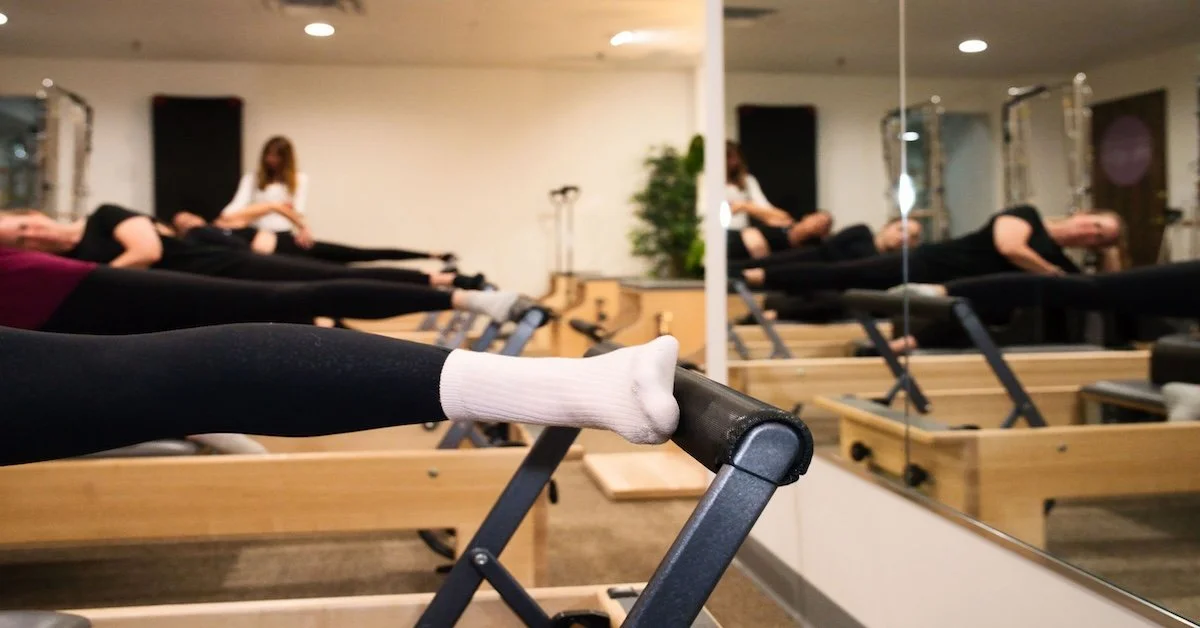
Reformer Pilates is often the most popular offering at Pilates studios throughout Chicago. Using spring-based resistance, the reformer provides support while also creating a challenging full-body workout.
Many people are drawn to reformer Pilates because it can be adapted for a wide range of fitness levels. Beginners often appreciate the guided movement patterns, while more experienced clients enjoy the ability to increase resistance and challenge stability.
Mat Pilates Classes
Mat Pilates focuses on bodyweight exercises performed on a mat rather than specialized equipment. These classes emphasize core strength, flexibility, balance, and body awareness.
Because mat classes require little equipment, they can be an accessible entry point for individuals who are new to Pilates or want to practice outside of the studio.
Private Pilates Sessions
Private sessions offer one-on-one instruction and are often ideal for beginners, individuals recovering from injuries, or anyone seeking a highly personalized experience.
Working individually with an instructor allows for customized programming, detailed form corrections, and exercises tailored to specific goals or physical considerations.
Semi-Private and Small Group Pilates Classes
Many Pilates studios offer semi-private sessions or small group classes that provide a balance between personalized attention and the energy of a group environment.
These formats often allow instructors to provide more individualized guidance while creating a supportive community atmosphere.
Specialty Pilates Classes
Some Pilates studios in Chicago also offer specialty programs for specific populations or goals. These may include classes for active older adults, prenatal and postpartum clients, athletes, rehabilitation-focused participants, or individuals managing chronic conditions.
If you have unique needs or goals, it's worth asking whether a studio offers specialized instruction or programs designed for your situation.
How Class Size Affects Your Pilates Experience
Imagine walking into your first Pilates class and feeling unsure about where to place your feet, how to adjust the equipment, or whether you're performing an exercise correctly. In a smaller class, an instructor can quickly step in to offer guidance and help you feel comfortable.
Class size plays a bigger role than many people realize. Smaller classes often provide more opportunities for individualized attention, corrections, and exercise modifications. This can be especially valuable for beginners or anyone managing physical limitations, injuries, or chronic pain.
Before joining a studio, ask about average class sizes, private training options, and beginner programs. These details can help you find an environment where you'll feel supported rather than lost in the crowd.
What Reviews Can Tell You About a Pilates Studio
Online reviews aren't everything, but they can provide helpful clues about what it's actually like to attend a studio.
As you read reviews, look beyond star ratings. Pay attention to comments about instructor knowledge, class organization, customer service, and the overall atmosphere.
Do clients mention feeling welcomed?
Are instructors described as attentive and encouraging?
Do people continue attending for years?
Patterns tend to tell the story. A handful of reviews may not mean much, but consistent feedback can give you a clearer picture of what to expect before you ever step through the door.
Finding a Convenient Pilates Studio That Fits Your Schedule
Even the best Pilates studio won't help you achieve your goals if it's difficult to attend consistently.
When choosing between Pilates studios in downtown Chicago and the surrounding suburbs, think about your daily routine. Is the studio close to home, work, or other places you visit regularly? Do class times fit your schedule? Is parking available, or is public transportation easily accessible?
Convenience may not be the most exciting factor to consider, but it often has the biggest impact on long-term success. The easier it is to get to class, the more likely you are to stick with your practice and experience the benefits Pilates has to offer.
Why Studio Culture Matters
Every Pilates studio has its own atmosphere, and finding one that feels right for you can make a surprising difference.
Some studios have a high-energy, fitness-focused environment. Others emphasize rehabilitation, mindful movement, or building a close-knit community. Neither approach is inherently better; the key is finding a space where you feel comfortable and supported.
When you visit a studio, pay attention to how you're greeted. Notice how instructors interact with clients and whether the environment feels welcoming. The best Pilates studios create a space where clients feel encouraged to learn, grow, and ask questions without feeling intimidated.
How To Choose a Safe, High-Quality Pilates Studio
As Pilates continues to grow in popularity, not every studio takes the same approach to instruction and safety. Some prioritize large class sizes and fast-paced workouts, while others focus on education, proper technique, and individualized attention.
A quality Pilates studio will be transparent about instructor qualifications, equipment maintenance, and how new clients are introduced to the method. They should be willing to answer questions and explain how they support clients at different fitness levels.
Ultimately, the goal isn't simply to find a Pilates studio. It's to find one that helps you move safely, build confidence, and develop a sustainable practice that supports your health for years to come.
At Sandy Greiner Pilates, we've found that clients often achieve the best results when they work with knowledgeable instructors in a supportive environment that values quality instruction, individualized attention, and steady progress over quick fixes.
Frequently Asked Questions (FAQs)
How do I choose the best Pilates studio in Chicago?
Look for experienced instructors, comprehensive training, appropriate class sizes, a convenient location, and a welcoming environment that aligns with your goals.
Is reformer Pilates better than mat Pilates?
Neither is necessarily better. Reformer Pilates offers adjustable resistance and support, while mat Pilates builds body awareness and foundational strength. Many experts recommend incorporating both.
How often should I do Pilates?
Many people see benefits with two to three sessions per week, although consistency is more important than frequency.
Are Pilates classes suitable for beginners?
Yes. Pilates can be adapted for virtually all fitness levels. Many studios offer beginner classes, private sessions, or introductory programs to help new clients learn safely.
What should I ask before joining a Pilates studio?
Ask about instructor certifications, class sizes, equipment offerings, beginner programs, pricing, and scheduling options. These details can help you determine whether the studio is a good fit for your needs.
